The OSI 7 Layers Model: Protocols, PDUs, and Devices
-
 Jason Yang
 - 29 Nov, 2025
- Updated 04 Jan, 2026
- Views —
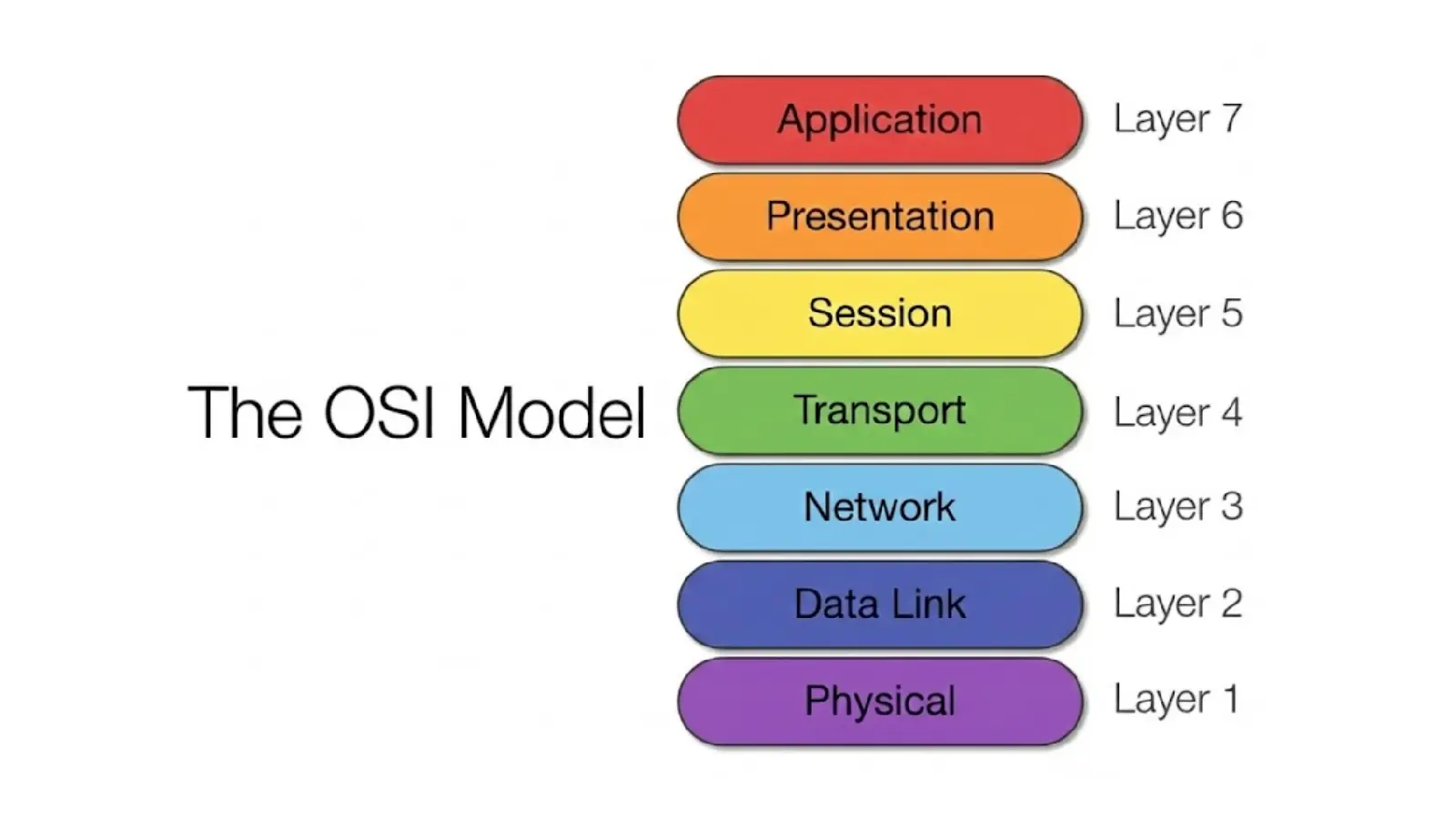
The OSI model divides computer networking into seven logical layers. Each layer has a unique purpose, related protocols, and network devices.
The table below summarizes the OSI 7 layers with clear examples of protocols, PDUs (Protocol Data Units), and devices used at each level.
OSI 7 Layers Summary Table
| Layer | Description | Protocol | PDU | Devices |
|---|---|---|---|---|
| Application | - Interacts between user and network application. | |||
| - API | ||||
| - set of routines that make up part of a software application | HTTP, FTP, IMAP, SNMP, POP3, SMTP | Data | Chrome, Firefox, Skype | |
| Presentation | - Formats the data of application/network to be presented for the destination to be sent. | |||
| - It can be viewed as the data translator between the application and network. | ||||
| - Character set translation | ||||
| - Data conversion | ||||
| - Data compression | ||||
| - Data encryption or decryption (if needed) | SSL, TLS | |||
| Session | - Establishes a session between two nodes. | |||
| - Connection maintenance and termination | ||||
| - Synchronization | ||||
| - Dialog control | ||||
| - Send to ports | H.245, RTCP, SCP, SDP | Logical Ports | ||
| Transport | - Ensures that the entire message is delivered to the destination or not. | |||
| - Service point addressing | ||||
| - Segmentation & reassembling | ||||
| - Connection control | ||||
| - Flow control | ||||
| - Error control | TCP, UDP | Segment | ||
| Network | - Controls the operations of the subnet, deciding which physical path the data takes. | |||
| - Logical addressing | ||||
| - Routing | ||||
| - Handling congestion issues | ||||
| - Internetworking | IP (IPv4, IPv6), ICMP, IPsec, MPLS, ARP | Packet | Routers | |
| Data Link | - NIC – Switch – NIC | |||
| - Deals with data transfer | ||||
| - Framing | ||||
| - Physical addressing | ||||
| - Access control | ||||
| - Flow control | ||||
| - Error control | Ethernet, PPP, ATM, CDP | Frame | Switch, Bridge | |
| Physical | - Concerned with the transmission and reception of the unstructured raw bit stream over the physical medium. | |||
| - Media characteristics | ||||
| - Data encoding | ||||
| - Transmission mode | Bluetooth, DSL, 802.11, Wi-Fi, ISDN | Bits | Repeater, Coax, Fibre |
Why this matters?
This OSI 7-layer table serves as a quick reference for students and IT professionals preparing for networking certifications like CCNA, CompTIA Network+, or just learning fundamental data communication concepts.